Split your purchase into 3 payments with Klarna
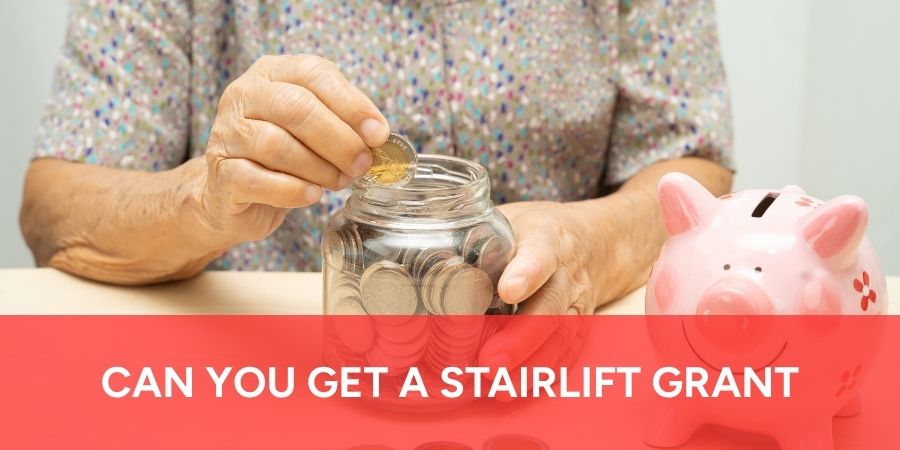
The cost of a stairlift can feel like a major hurdle, particularly when the need for one comes unexpectedly. For many households, the question is not just which stairlift to choose, but how to afford it in a practical and sustainable way.
The good news is that financial help is available in the UK. Support can come from local authorities, charities, and flexible payment options. However, the level of assistance varies depending on your circumstances, where you live, and how urgent the need is.
This guide explains the main types of financial help available for stairlifts, how to access them, and what to consider when planning your next steps.
The most widely known form of financial support for stairlifts is the Disabled Facilities Grant. This is a government-backed scheme designed to help people make essential adaptations to their homes.
A stairlift is classed as a necessary adaptation if it helps someone move safely between floors. In many cases, it will be considered a priority if mobility issues are affecting daily life.
The amount you can receive depends on several factors, including your income, savings, and household circumstances.
| Location | Maximum DFG Amount |
|---|---|
| England | Up to £30,000 |
| Wales | Up to £36,000 |
| Northern Ireland | Up to £25,000 |
| Scotland | Varies by local authority |
In many situations, the grant can cover the full cost of a stairlift. However, this is not guaranteed, and some applicants may need to contribute towards the total.
The application process is managed by your local council. It usually begins with an assessment by an occupational therapist, who will review your mobility needs and recommend suitable adaptations.
This process can take time, particularly if demand is high in your area. Waiting periods of several months are not uncommon.
Once approved, the council will arrange for the work to be carried out, either through approved contractors or by reimbursing agreed costs.
While the grant can be extremely helpful, it is not always the fastest solution. For those who need a stairlift urgently, alternative options may need to be considered alongside the application.
In addition to the Disabled Facilities Grant, some local councils offer discretionary funding or support schemes. These vary widely depending on the region and available budgets.
In some cases, councils may provide a stairlift directly, particularly in housing association or council-owned properties. This is usually arranged following an assessment and is based on need rather than personal choice of model.
It is always worth contacting your local authority to understand what support may be available in your area.
Several charities offer financial support for mobility equipment, including stairlifts. These organisations often focus on specific groups, such as older adults, veterans, or individuals with particular medical conditions.
Charitable funding is typically means-tested and may not cover the full cost. However, it can be used alongside other forms of support to reduce the overall financial burden.
Applications usually require supporting evidence, including medical information and details of your financial situation.
While this route can take time, it is worth exploring if you are eligible.
One of the main challenges with grants and funding is the time involved. When mobility is already limited, waiting several months may not be practical.
This is where finance options can provide a more immediate solution. Spreading the cost allows you to install a stairlift quickly while managing payments over time.
Homeowners can choose from a range of stairlift types depending on their needs, including straight stairlifts for simpler layouts and curved stairlifts for more complex staircases.
For those looking to reduce upfront costs, reconditioned stairlifts can offer a more affordable starting point.
Combining finance with other funding sources can sometimes provide the most balanced solution.
The level of support required depends on the type of stairlift and the complexity of the installation. Understanding typical costs can help you plan more effectively.
| Stairlift Type | Typical Cost |
|---|---|
| Straight stairlift | £2,000 to £3,500 |
| Curved stairlift | £4,000 to £7,000+ |
| Reconditioned stairlift | £1,200 to £2,500 |
For many households, a grant may cover a large portion of the cost. In other cases, a combination of savings, finance, and partial funding may be required.
Planning ahead helps avoid delays and ensures you can move forward when the time is right.
It is important to understand the difference between a privately owned stairlift and one provided through a local authority.
If the stairlift is funded and installed by the council, it may remain their property. This can limit your options in terms of model choice and future upgrades.
Privately purchased stairlifts, on the other hand, give you full control over the specification, features, and supplier. This can lead to a better fit for your home and long-term needs.
The right approach depends on your priorities, budget, and how quickly the stairlift is required.
One of the key decisions is whether to wait for funding or proceed with installation independently. Each option has its advantages.
Waiting for a grant can reduce or even eliminate upfront costs, but it may involve delays. Paying privately or using finance allows for faster installation but requires financial commitment.
For many people, a combined approach works best. This might involve applying for a grant while also exploring finance or lower-cost options to avoid long waiting times.
The priority should always be maintaining safe and reliable access within the home.
While the cost is an important factor, it is also worth considering the long-term value a stairlift provides. It allows continued independence, reduces the risk of falls, and can remove the need for more disruptive home changes.
In many cases, it also delays or avoids the need to move house, which can be both costly and stressful.
When viewed over several years, a stairlift often represents a practical and worthwhile investment.
Financial help for a stairlift is available, but the right option depends on your circumstances. Disabled Facilities Grants offer substantial support for those who qualify, while local authorities and charities may provide additional assistance.
For those who need a quicker solution, finance options and reconditioned stairlifts provide a practical way forward. Understanding all available routes allows you to make a decision that balances cost, timing, and long-term reliability.
With the right approach, it is possible to access a stairlift that supports your mobility without placing unnecessary strain on your finances.